From the beet pile to the diffuser
Sugar Beet Processing
Flumes, washers, stone catchers and diffusers
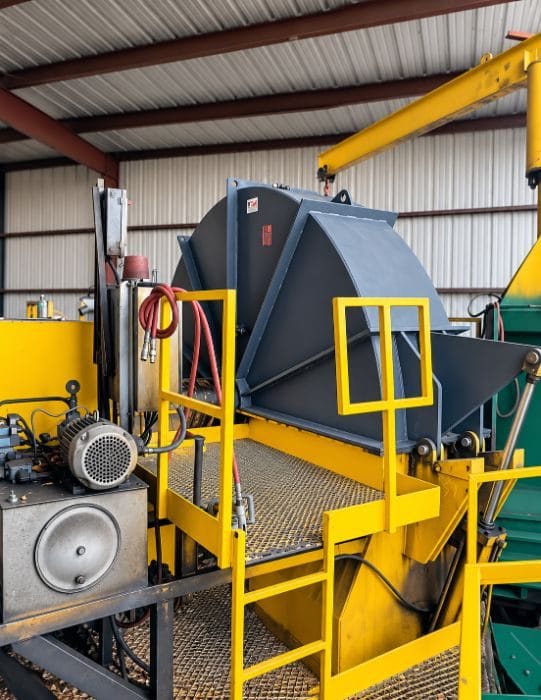
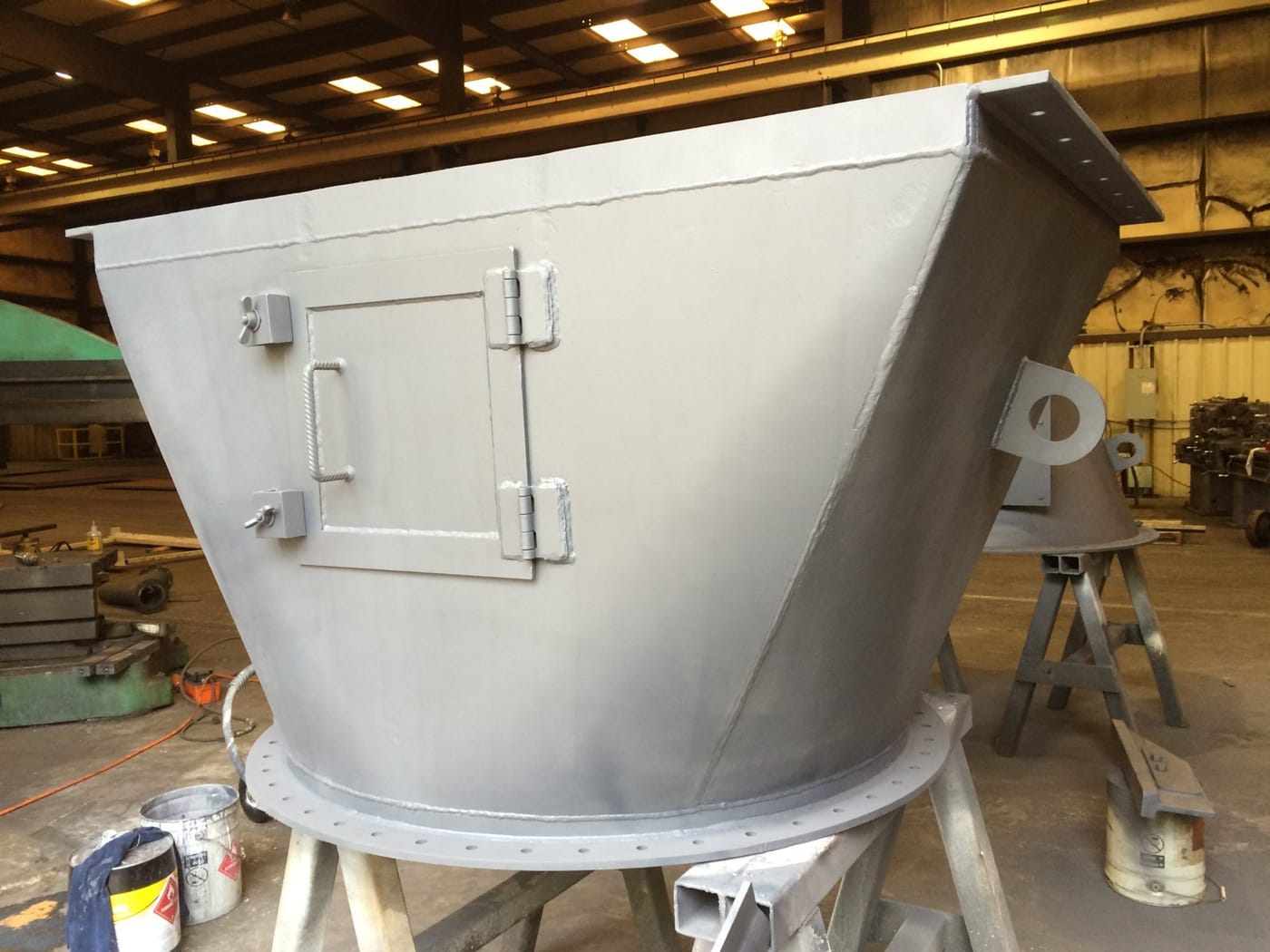
Pictured: Fabricated transition chute
01 The wear you're fighting
Beets arrive wet, muddy and mixed with rock, and they ride water through most of the plant. Your flumes, washers and diffusers fight abrasion and corrosion at the same time, the mix where plain stainless wears out.
You’ll find TASSCO liners in sugar beet plants from the beet pile to the diffuser. We match CORRHARD, COMP-C and Fused Alloy to each wet or dry wear zone, then cut, form and fabricate the parts in Birmingham.
Where it wears first
- Beet flume and washing drum liners
- Stone catcher liners
- Truck dump and receiving bin liners
- Drag conveyor floors and transfer chutes
- Diffuser liners and juice troughs
Abrasion and corrosion together
Flume water carries sand, soil and stone past every liner, and those surfaces never dry out. Abrasion strips the protective surface and corrosion goes after what's underneath, so carbon steel rusts and soft stainless wears thin. A hard martensitic stainless handles both in one plate.
Rock and tare at receiving
Trucks dump beets, soil and stones onto receiving liners, and stone catchers take the hits that would otherwise reach the washer. Those spots see impact and heavy sliding wear, and in the dry areas, carbide overlay plate holds up best.
Sliding wear on conveyors and chutes
Drag conveyors, elevators and transfer chutes move beets and pulp all campaign long. Floors and chute liners lose metal to a steady scrub, and a worn floor mid-campaign is a repair you'd rather make in the off-season.
Wet pulp that packs
Pulp and beet pieces cling to weld beads and rough surfaces, then build up in chutes and conveyors. A smooth, bead-free face keeps them moving and keeps your crew from clearing plugged chutes.
02 What TASSCO builds
Built off your spare set, or measured on the machine
Receiving and piling
- Truck dump liners
- Receiving bin liners
- Pile handler liners
Flumes and washing
- Beet flume liners
- Washing drum liners
- Stone catcher liners
Screening and conveying
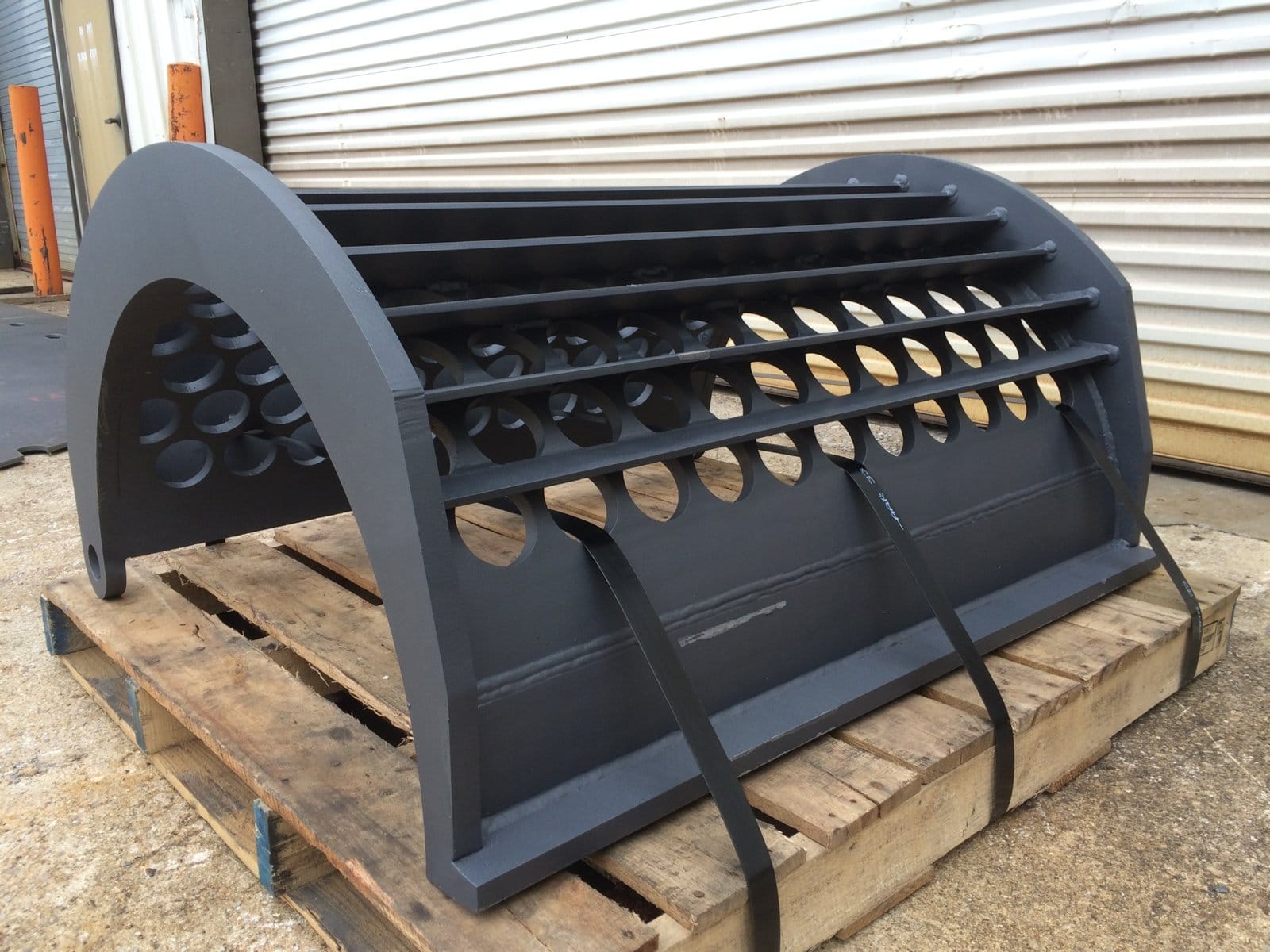
- Scalping screen decks
- Drag conveyor liners
- Elevator, conveyor and transfer chutes
Diffusion, juice and pulp
- Diffuser liners
- Juice transport troughs and weirs
- Pulp handling chutes and conveyors
03 Right grade, right wear zone
The grades sugar beet processing customers run
Every grade ships from stock as plate, cut to size, or fully fabricated. Every TASSCO product works here; these are the ones matched to your wear zones.
CORRHARD
12% chromium martensitic stainless, 3/16″ to 1″
- Flume, washer, stone catcher and diffuser liners
- Upgrade from 3Cr12 or 304 stainless
COMP-C
Welded chromium carbide overlay, 3/8″ to 1½″
- Truck dump and receiving hopper wear spots
- Heavy sliding wear in the dry areas
Fused Alloy
Fusion-bonded chromium carbide overlay
- Drag conveyor floors
- Smooth face so beets and pulp keep moving
Flagship grade · Melted and made in USA
TASSCO XT
Hard from face to centerline, consistent from heat to heat, and your shop welds it with standard procedure. Stocked 3/16″ to 1″.
04 Shop-built, field-proven
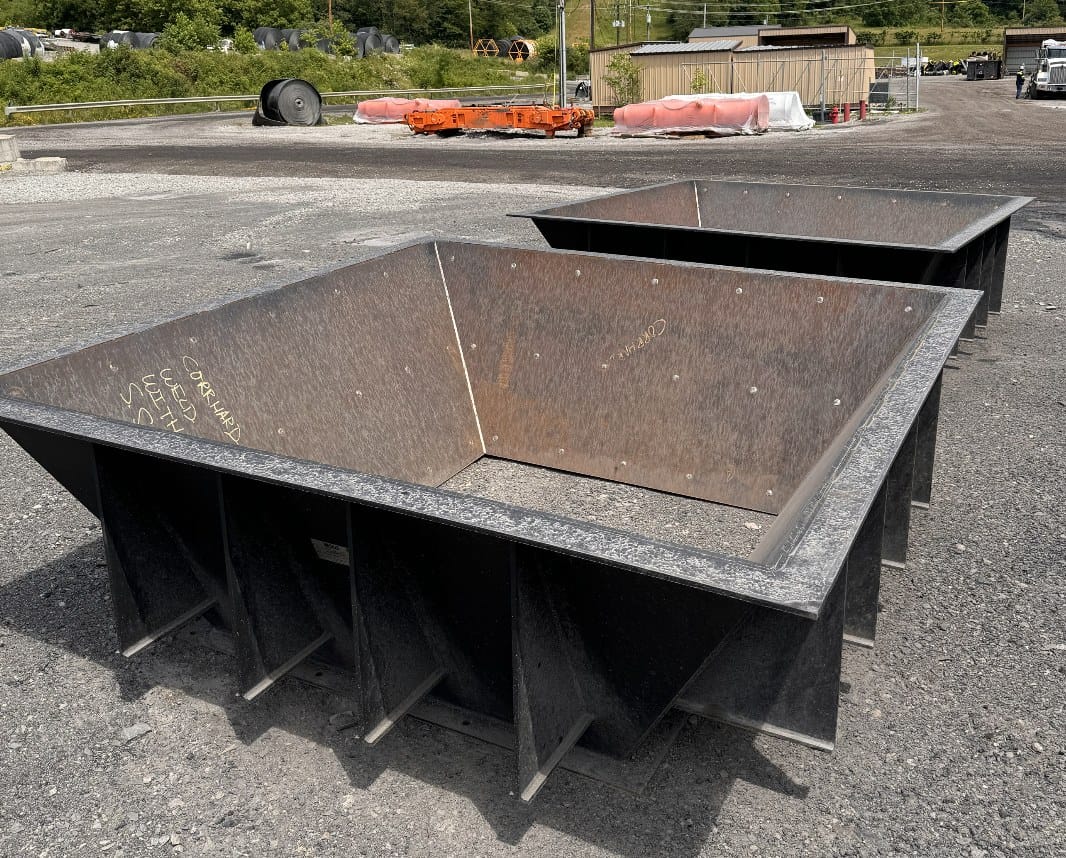
CORRHARD-lined hoppers 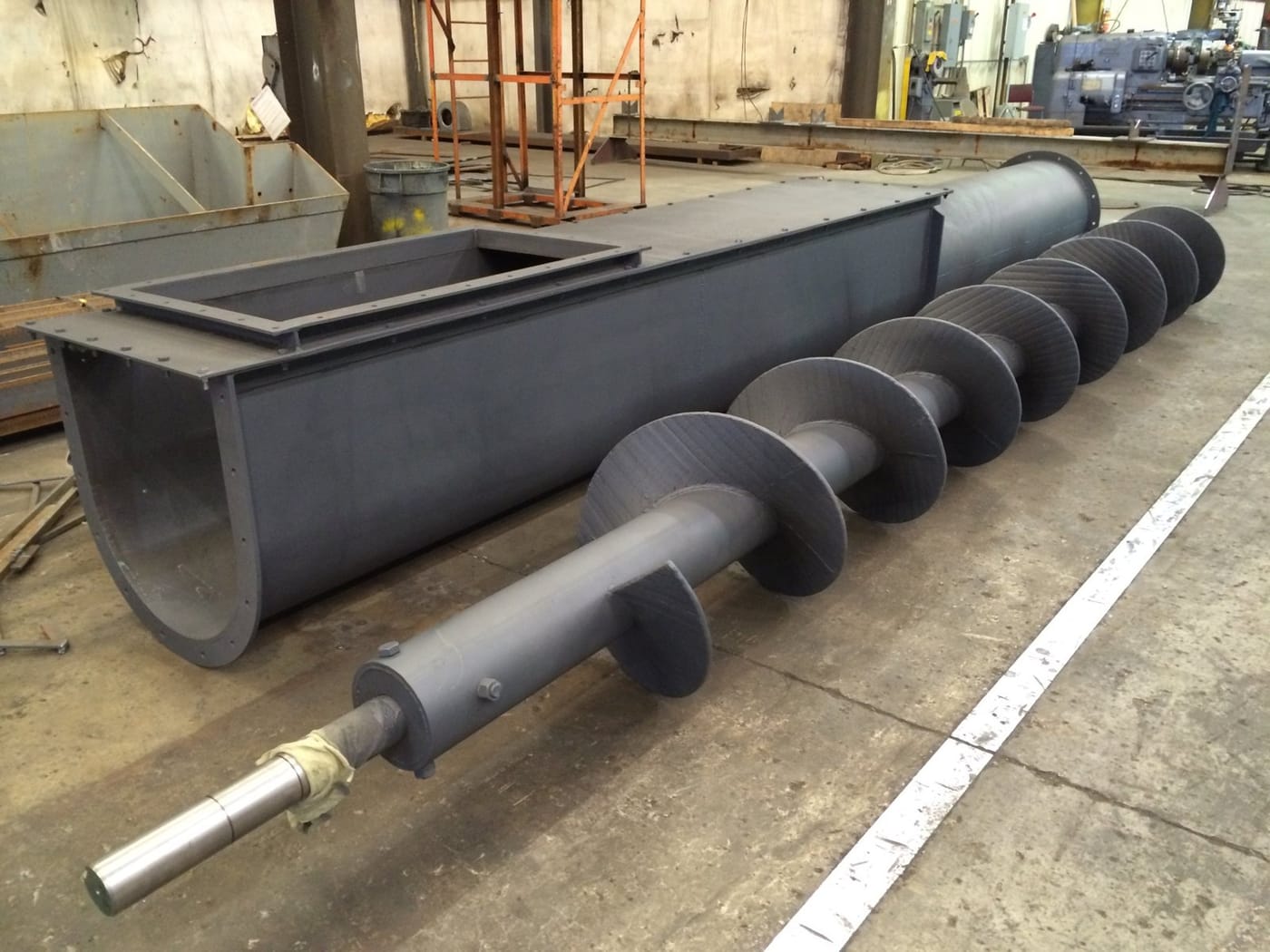
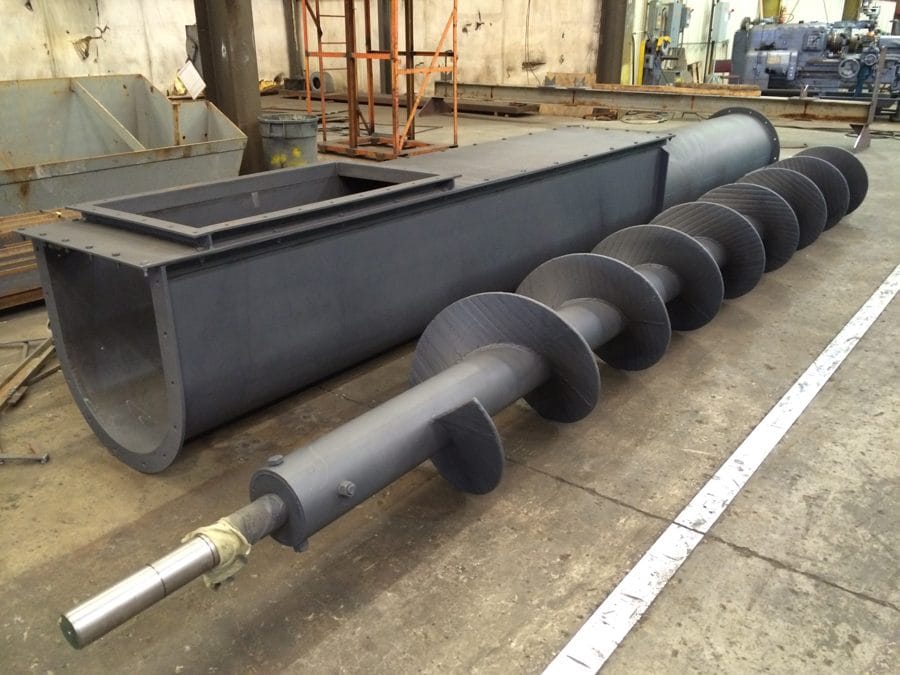
Screw conveyor and trough 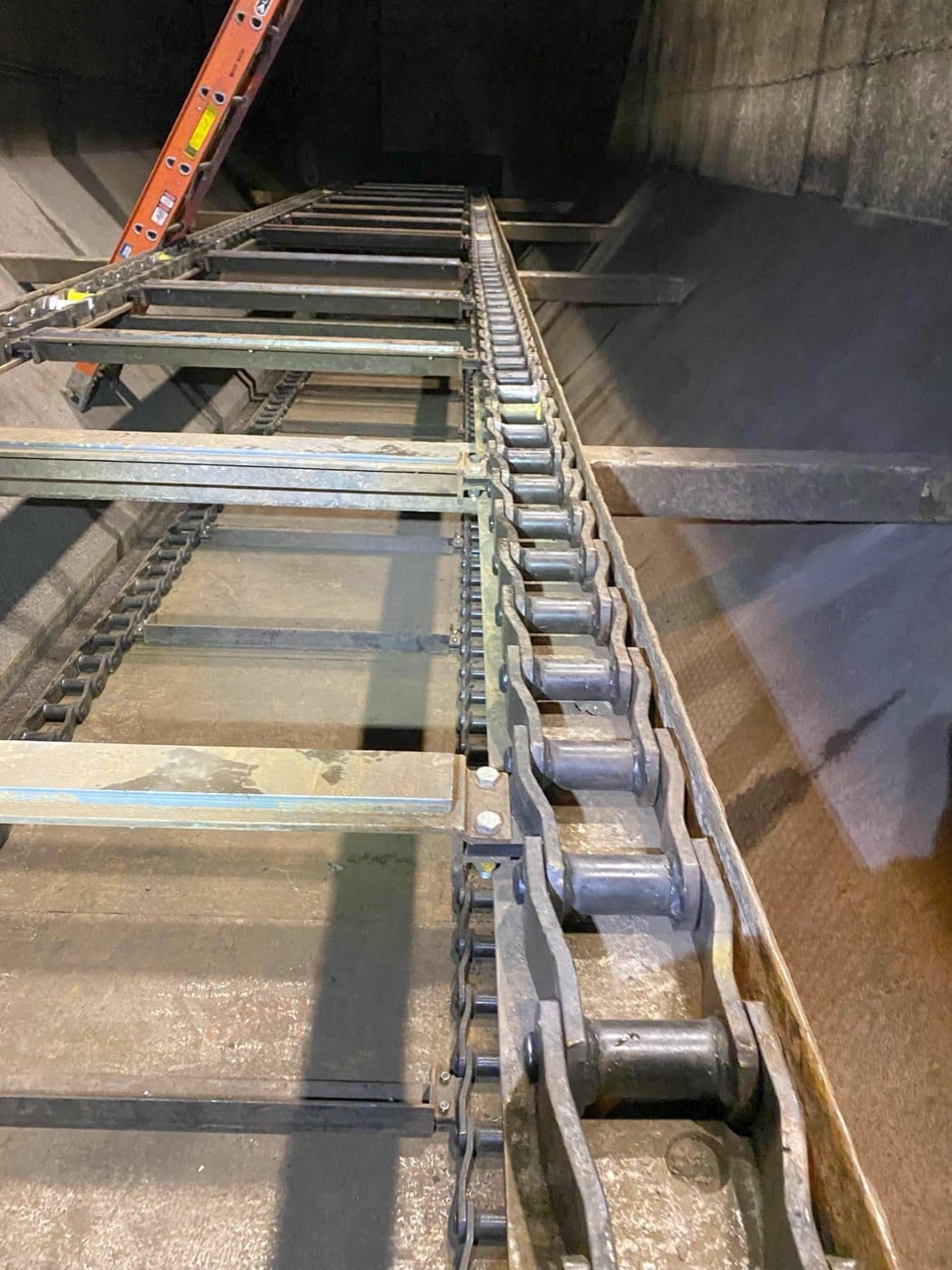
Fused Alloy drag conveyor floor
05 · How we work
One supplier, one number to call
Measure
Off your spare set, off the machine, or with LiDAR scanning and DEM modeling.
Draw
Grade, thickness, holes and bends. Kept on file for next time.
Fabricate
Cut, formed, rolled, beveled and drilled in our Birmingham shop.
Deliver
Marked and kitted for the changeout, ready to bolt up or weld in.
Questions we hear
Sugar Beet Processing wear questions
Want it all on two pages? Download the Sugar Beet Processing guide (PDF).
What's a better liner than 304 stainless for beet flumes and washers?
CORRHARD. It's a 12% chromium martensitic stainless that runs 296–325 BHN, nearly twice the hardness of 304, with similar corrosion resistance. It goes on flume, washer, stone catcher and diffuser liners, and your shop welds it with standard 309L practice.
Is CORRHARD an upgrade from 3Cr12?
Yes, many plants use it that way. Standard 12% chromium plate wears better than 304 but gets brittle in the cold. CORRHARD's Charpy toughness holds from room temperature down to −50°F, which matters on equipment that runs through a cold campaign.
Where should I use chromium carbide overlay in a sugar beet plant?
In the dry areas with heavy sliding wear. COMP-C covers truck dump and receiving hopper wear spots, and Fused Alloy lines drag conveyor floors, where its smooth, bead-free face keeps beets and pulp moving. In the wet flumes, washers and diffusers, CORRHARD is the usual choice.
Is CORRHARD magnetic?
Yes. CORRHARD is a martensitic stainless, so it's magnetic. Don't use it in place of 304 where the stainless runs beneath a magnet.
Let's talk
Tell us what's wearing out. We'll have your back.
Call us or send a note below. You'll hear back from a real person, fast.