From the mining face to the load-out chute
Salt Mining
Feeders, crushers, skips, conveyors and chutes
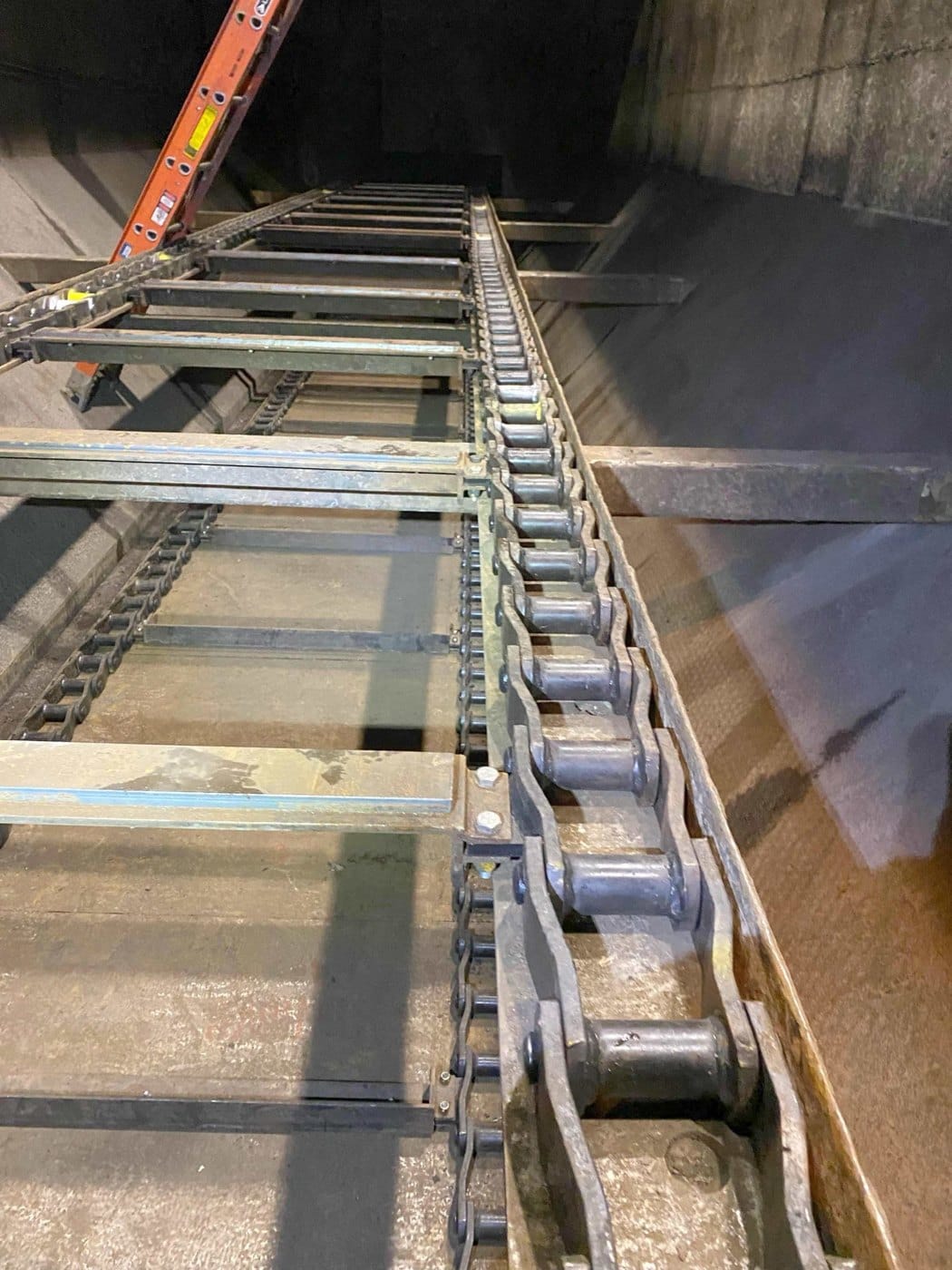
Pictured: Fused Alloy drag conveyor floor
01 The wear you're fighting
Salt wears steel two ways at once. It scrubs every surface it slides across, and once it's wet, it corrodes carbon plate from the face of the liner in. The parts that last are the ones matched to both.
Tell us where salt is eating your steel first, and we’ll start there. We field measure the part, match the grade to wet or dry service, and build it in our Birmingham shop.
Where it wears first
- Ore pass liners and impact plates
- Crusher and breaker liners
- Skip loading pockets and skip buckets
- Transfer chutes and conveyor pans
- Wash plant flumes and sumps
- Load-out chutes
Brine and wet salt
Wash plant flumes, sumps and any chute that sees water stay wet with brine. Carbon plate rusts while it wears, and 304 stainless is too soft to last long. Martensitic stainless handles corrosion and abrasion in the same plate.
Impact underground
Rock salt drops down ore passes, into skip loading pockets and onto crusher walls. In the dry zones, through-hardened plate in heavy sections takes those hits without cracking.
Heavy sliding abrasion
Screw conveyors, skirt liners and screen decks see a steady stream of hard, angular salt. A chromium carbide overlay face holds up to that sliding wear much longer than plain plate.
Salt that cakes and hangs up
Damp salt packs onto weld beads and rough plate until a drag conveyor or chute stops flowing. A smooth, bead-free liner keeps it moving all the way to the load-out.
02 What TASSCO builds
Built off your spare set, or measured on the machine
Underground mining
- Mining face transfer and loading pocket liners
- Apron feeder and pan conveyor liners
- Ore pass liners and impact plates
Crushing and transfer
- Crusher and breaker housings, liners and grates
- Underground transfer and diverter chutes
- Skirting and impact bar replacements
Shaft and hoisting
- Skip loading pocket liners and guides
- Skip bucket wear liners
- Head frame chutes and dump points
Surface conveyors
- Belt conveyor pans and wear liners
- Transfer chutes, diverters and splitters
- Surge hopper and bin liners
Processing
- Screen deck frames, liners and wear bars
- Wash plant flumes, troughs and sump liners
- Stockpile reclaim scraper blades and liners
Storage and load-out
- Truck and rail car loading chutes
- Storage dome floor and wall liners
03 Right grade, right wear zone
The grades salt mining customers run
Every grade ships from stock as plate, cut to size, or fully fabricated. Every TASSCO product works here; these are the ones matched to your wear zones.
CORRHARD
12% chromium martensitic stainless, 3/16″ to 1″
- Chutes, conveyors and hoppers in wet zones
- 3–5× the life of 304 stainless
COMP-C
Welded chromium carbide overlay, 3/8″ to 1½″
- Screws and skirt liners
- Heavy sliding abrasion
Fused Alloy
Fusion-bonded chromium carbide overlay
- Drag conveyor floors and flow chutes
- Smooth face, no bead for salt to hang on
TASSCO HD
Heavy-gauge wear plate, 1¼″ to 5″
- Crusher walls and heavy feeders
- Impact zones in dry areas
Flagship grade · Melted and made in USA
TASSCO XT
Hard from face to centerline, consistent from heat to heat, and your shop welds it with standard procedure. Stocked 3/16″ to 1″.
04 Shop-built, field-proven
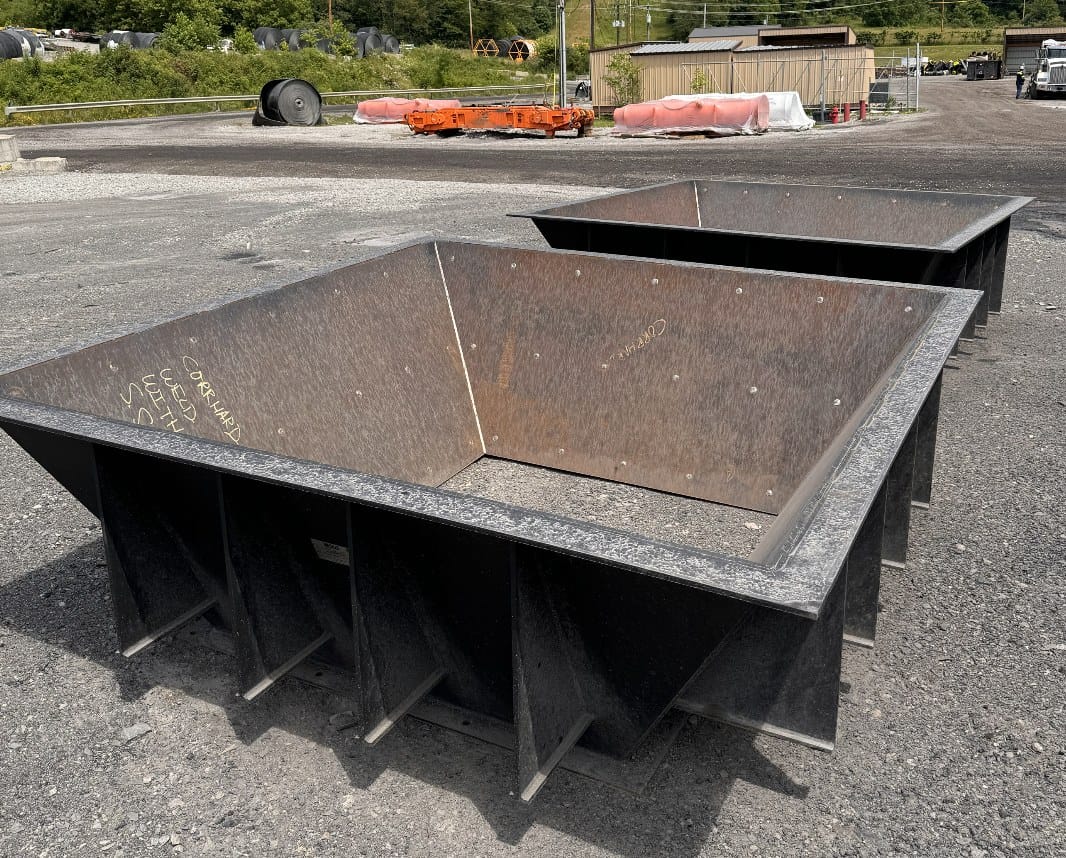
CORRHARD-lined hoppers 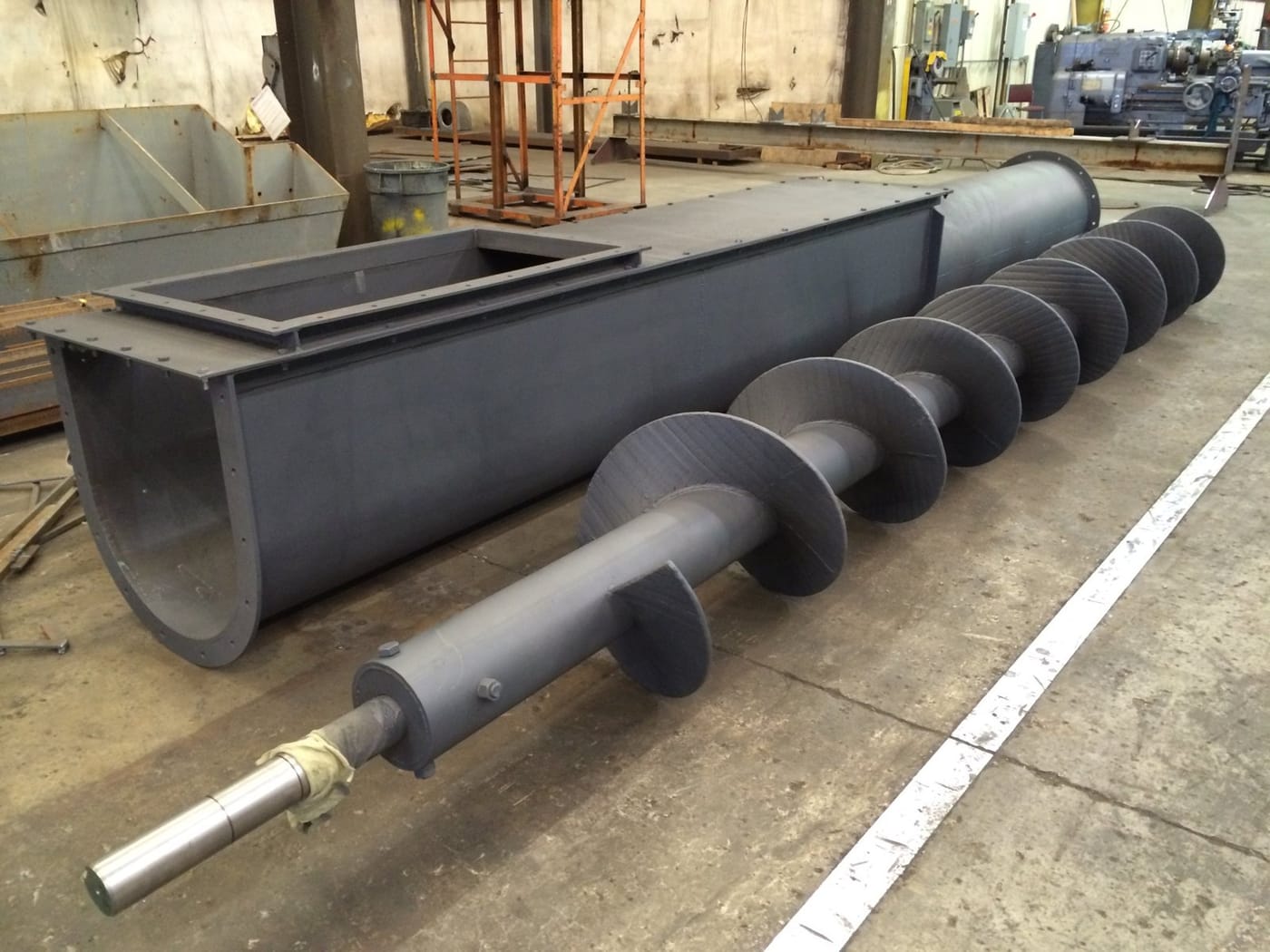
Screw conveyor and trough 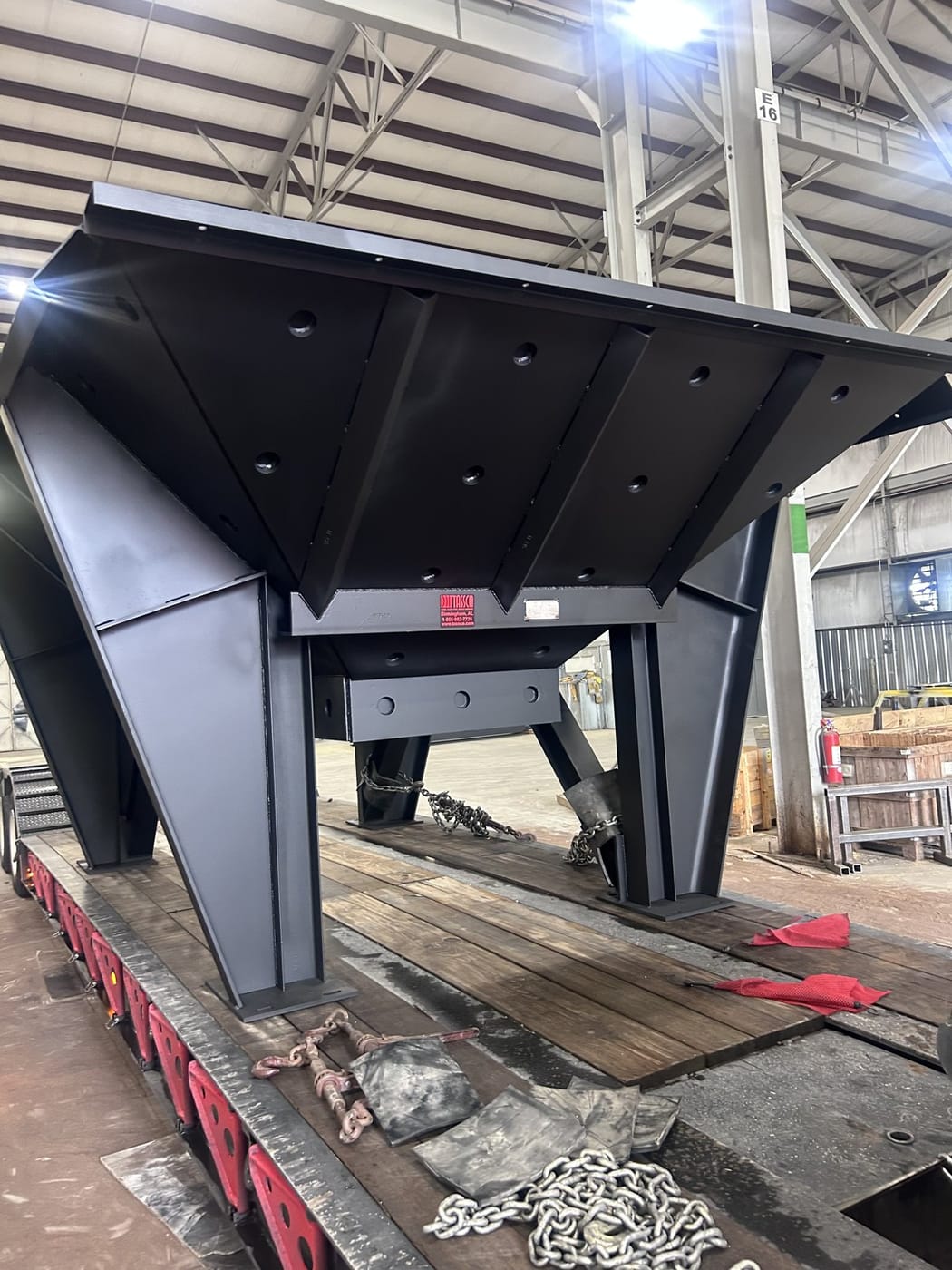
Fabricated hopper, ready to ship
05 · How we work
One supplier, one number to call
Measure
Off your spare set, off the machine, or with LiDAR scanning and DEM modeling.
Draw
Grade, thickness, holes and bends. Kept on file for next time.
Fabricate
Cut, formed, rolled, beveled and drilled in our Birmingham shop.
Deliver
Marked and kitted for the changeout, ready to bolt up or weld in.
Questions we hear
Salt Mining wear questions
Want it all on two pages? Download the Salt Mining guide (PDF).
What wear plate holds up to salt and brine corrosion?
CORRHARD. It's a 12% chromium martensitic stainless with corrosion resistance similar to 304 at nearly twice the hardness, and it runs 3–5× the life of 304 in chutes, conveyors and hoppers in wet zones. Your shop welds it with standard 309L practice.
What liner should I use on screw conveyors and skirts in a salt plant?
COMP-C, a chromium carbide overlay welded to a mild steel base. Its hard, carbide-rich face handles heavy sliding abrasion, and your shop can form and weld the base with conventional practice.
How do I keep salt from sticking in drag conveyors and chutes?
Line them with Fused Alloy. Its smooth, bead-free face gives salt nothing to hang on, and it runs about twice the life of welded chromium carbide overlay. Salt operations use it on drag conveyor floors and flow chutes.
What should I use on crusher walls and feeders in dry areas?
TASSCO HD. It's through-hardened in heavy sections from 1¼″ to 5″, with a 450 BHN aim through 3″, and it stays tough down to −50°F. In dry impact zones, it takes repeated hits without cracking.
Let's talk
Tell us what's wearing out. We'll have your back.
Call us or send a note below. You'll hear back from a real person, fast.
More in mining & minerals
Other industries we serve
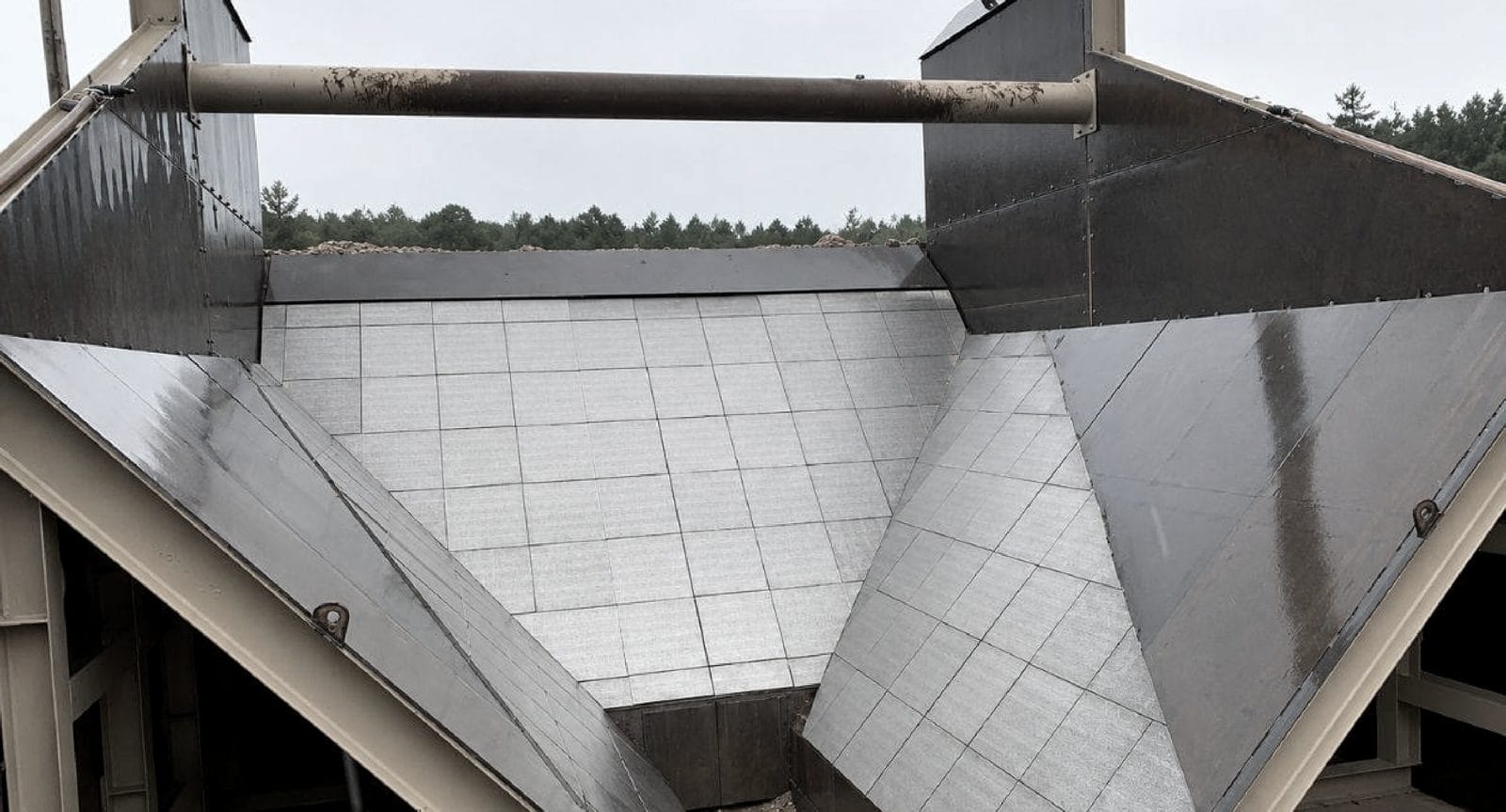
Aggregate & Quarry
Crushers, feeders, screens, loaders and haul trucks
Learn more →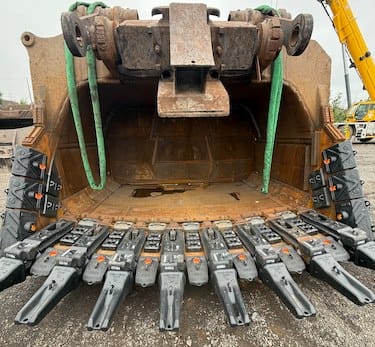
Surface & Underground Mining
Shovels, loaders, haul trucks, crushers and ore passes
Learn more →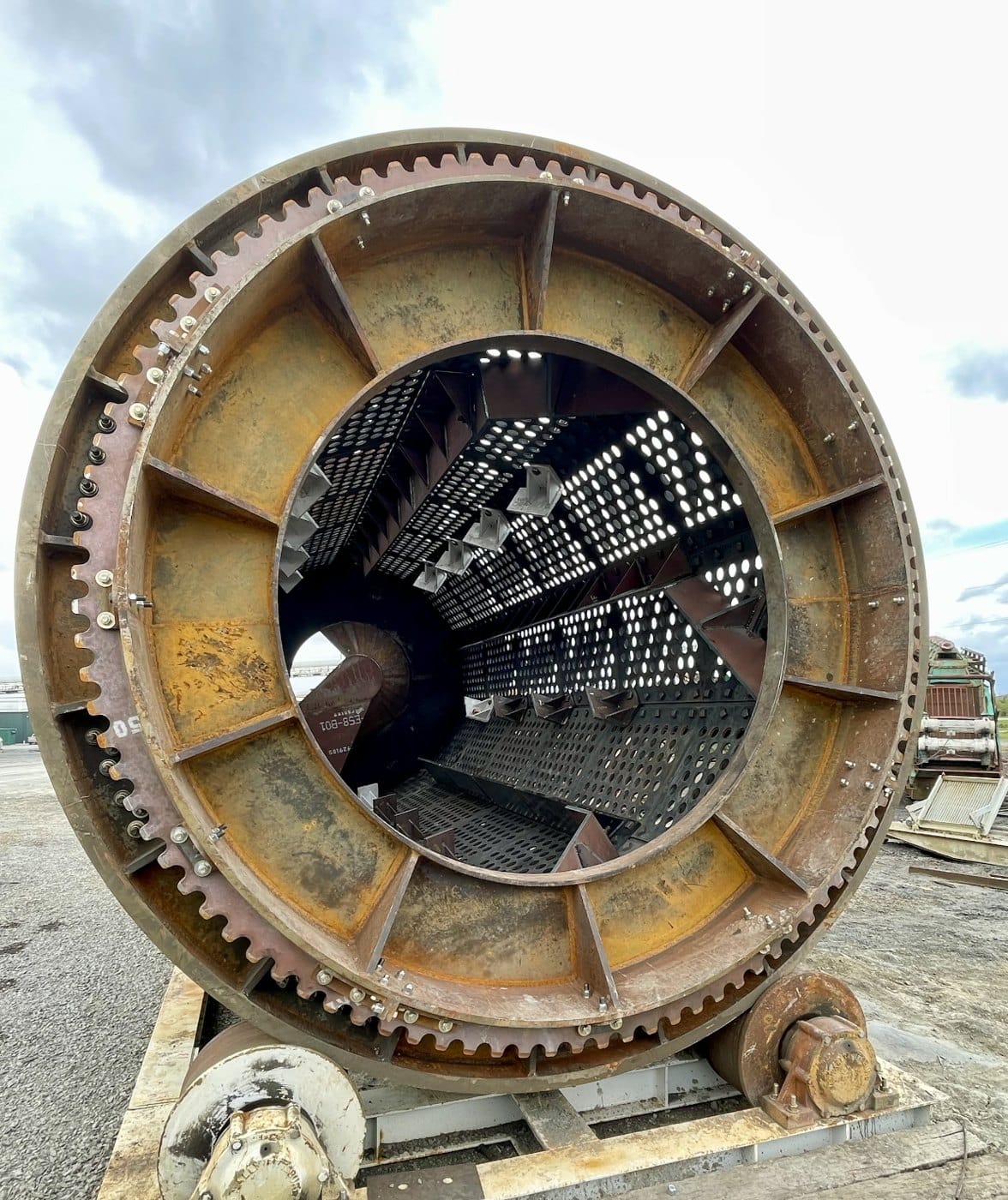
Coal Mining & Preparation
Rotary breakers, vessels, screens, bins and chutes
Learn more →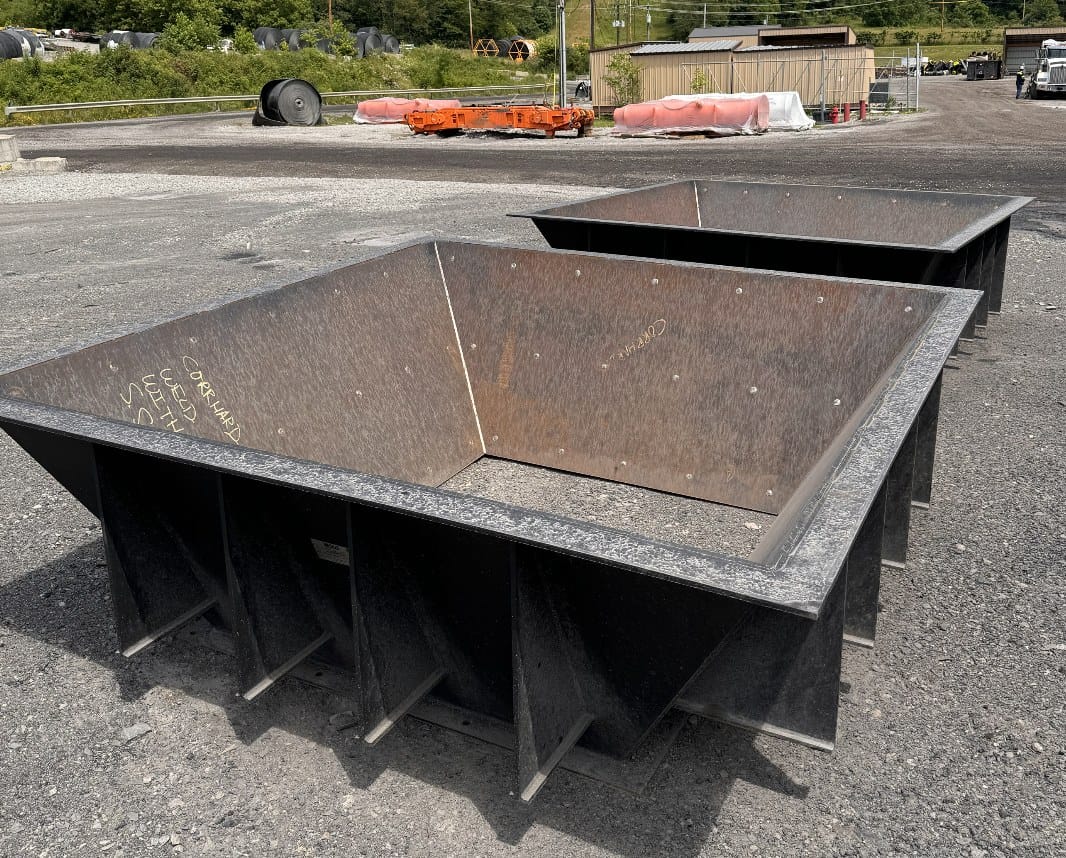
Potash Mining
Feeder breakers, skips, mills, dryers and chutes
Learn more →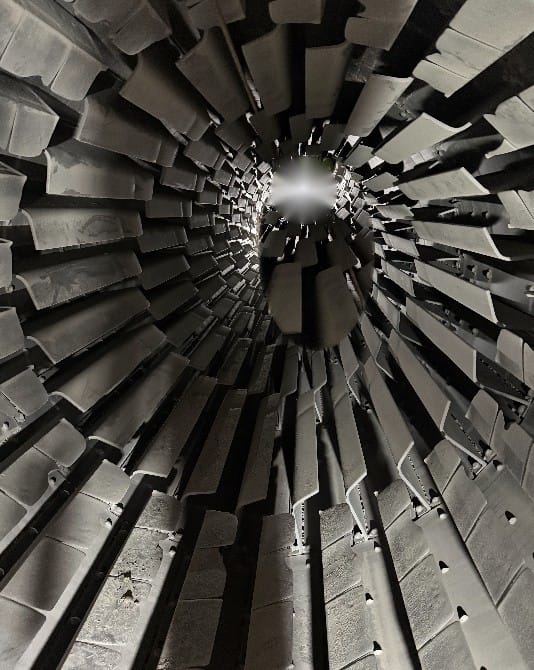
Roofing Granules
Loaders, crushers, dryers, kilns and coloring plants
Learn more →